Commercial water damage is a building problem and an operations problem at the same time.
A leak in a home may involve one property owner and one primary living space. A commercial or multi-unit loss can involve property management, occupied areas, tenants, guests, staff, shared systems, and several affected parts of the building.
That changes how the mitigation scope has to be organized.
Rapid Mitigation & Restoration Services provides 24/7 commercial water-damage mitigation across the Mississippi Gulf Coast and Southeast Louisiana. The process is built around identifying the affected areas, removing standing water when present, mapping structural moisture, designing the drying plan, documenting the work, and communicating with the people responsible for the property.
Why commercial water damage requires a different mitigation plan
Water does not stop at a room number, tenant boundary, or department door.
In a multi-floor or multi-unit property, moisture may move into areas below the original source. Shared building systems and common areas may also become part of the loss.
At the same time, the property may still have operating areas that are not affected.
A commercial mitigation plan has to answer several questions quickly:
- Where is the source of the loss?
- Which materials and building areas are affected?
- Has water moved into another floor, unit, or common area?
- Which spaces are occupied?
- Where can mitigation equipment be placed?
- What work may need to be coordinated during lower-occupancy or after operating hours?
- Who needs progress and documentation updates?
The commercial restoration process is organized around those conditions rather than treating every commercial property like a larger house.
The first phase: assessment, extraction, and moisture mapping
When water is present, the mitigation scope begins with the source and affected materials.
Rapid identifies the source conditions and uses moisture meters and thermal imaging to help map affected materials. Standing water is extracted with professional extraction equipment.
The moisture map then helps guide the structural drying plan.
Drywall, flooring, ceilings, subfloor, framing, and structural cavities may all hold moisture after the visible water is gone. In multi-unit or multi-floor properties, the inspection may need to follow that moisture into additional affected areas.
This is why commercial water damage cannot be scoped from the doorway of the first wet room.
Hotel water damage: guests, rooms, and operating areas
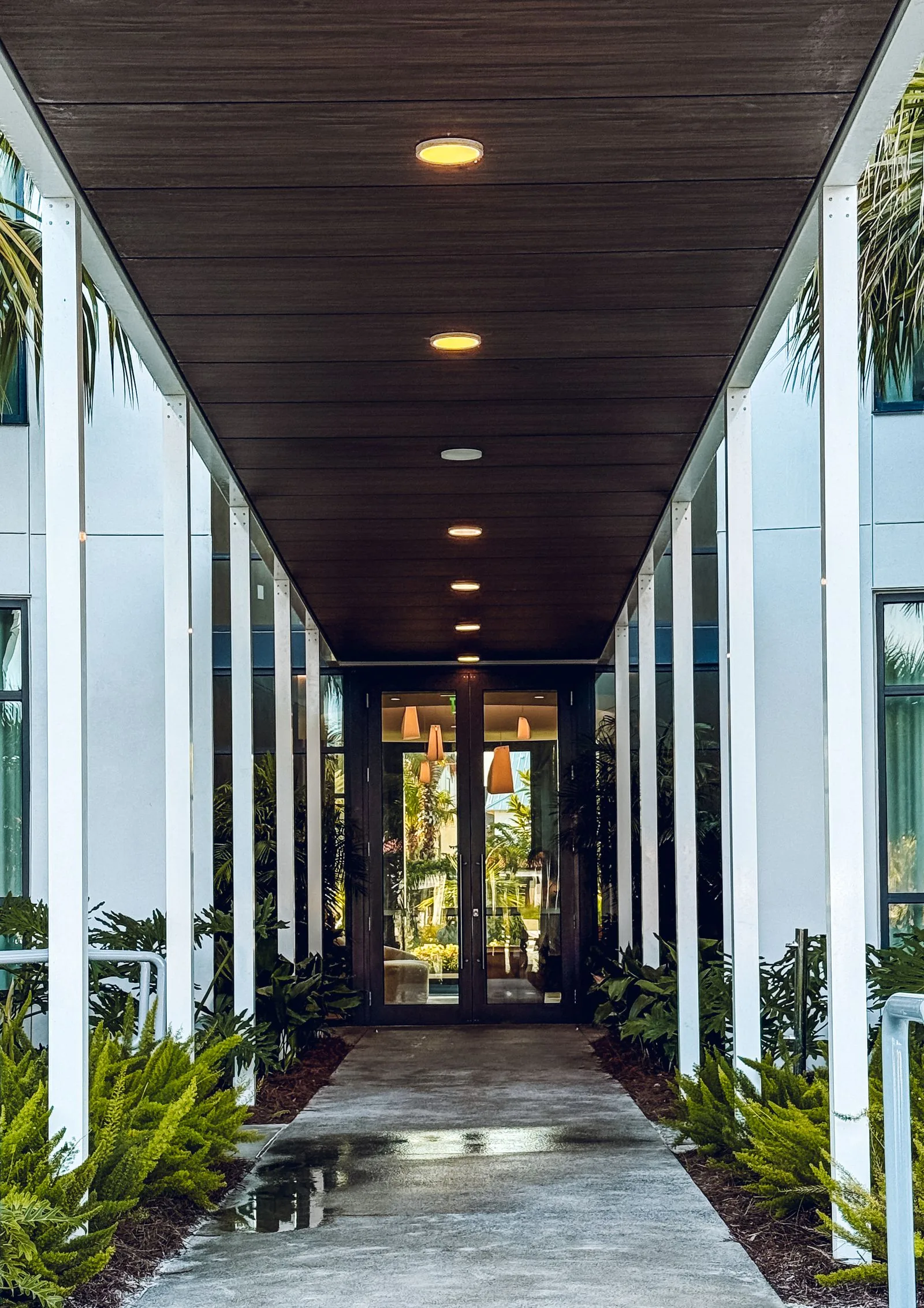
Hotels can have occupied rooms, common spaces, hallways, and multiple floors involved in the same loss.
The property team may need to understand which areas are affected, which areas are not, and how mitigation work will be separated from guest activity.
Where conditions allow, containment and pathway protection can help organize affected work areas. Commercial mitigation may also be coordinated during lower-occupancy or after operating hours to limit operational impact.
Whether rooms or building areas can remain occupied depends on the safety conditions and extent of the loss. Rapid does not promise that a hotel can remain fully operational before the property has been assessed.
The mitigation plan is built around the actual damage and the areas involved.
Apartment and condo losses: one source can affect multiple units
A water loss in an apartment or condo property can cross unit boundaries.
Water from an upper level may affect units or materials below. Common areas and shared building systems may also need to be inspected.
That creates a coordination and documentation challenge.
Property managers, HOAs, and individual unit owners may each need information about the affected areas. Different units may also involve different insurance carriers.
Rapid documents the conditions and mitigation work performed. Photos, scope notes, and moisture readings help organize the loss by affected area.
For a focused look at this issue, see water damage in condos and apartments on the Mississippi Gulf Coast.
Office and commercial workspace losses
Office properties may involve occupied work areas, tenants, security, and shared building access.
The mitigation plan may need to prioritize affected versus unaffected areas and coordinate equipment around property operations.
Rapid may coordinate with property managers, security, and tenants as appropriate to the project.
When conditions allow, high-disruption work can be coordinated around operating hours. Safety and the actual mitigation scope remain the first priority.
The goal is to limit operational impact where possible without understating the amount of work required to dry the affected materials.
Restaurants and retail properties
Restaurants and retail properties can face water losses during operating hours.
In restaurants, the property may have active service areas and perishables. Retail properties may have customer areas, merchandise, and occupied pathways.
The first mitigation questions remain the same:
Where did the water originate?
Which materials and spaces are affected?
Is standing water present?
Has moisture moved beyond the visible area?
The extraction and drying scope is then organized around the loss while property stakeholders are kept informed about the work area and mitigation progress.
For more on property-specific operational planning, see commercial water damage in hotels, restaurants, and offices.
Drying a commercial property
After standing water is removed, structural moisture still has to be addressed.
Rapid uses air movers and commercial dehumidification as part of the drying process.
Commercial refrigerant and desiccant dehumidifiers are selected and sized around the affected area, material types, and ambient conditions. Equipment may be positioned or ducted as needed for the drying environment.
Humidity and grain-depression readings can be tracked during dehumidification. Moisture readings are taken from affected materials, and equipment placement can be adjusted as conditions change.
Drying ends when the affected materials reach dry standard.
The drying process is based on readings, not on whether a room feels dry.
See how structural drying works after water damage and commercial dehumidification services for more detail.
Commercial water-damage documentation
Documentation begins with the condition of the property and continues through the mitigation process.
Rapid's current documentation process may include:
- First-arrival photos
- Source-of-loss information
- Scope notes for affected materials
- Daily moisture readings
- Equipment placement and run-time logs
- Documentation of mitigation work performed
- Final dry-standard verification
When authorized, Rapid may communicate with the assigned insurance adjuster.
Coverage decisions are made by the insurance carrier. Rapid does not act as a licensed claims adjuster, negotiate coverage on a customer's behalf, or guarantee coverage outcomes.
Our role is to document the loss and the mitigation work accurately.
For the complete insurance position, see restoration documentation for insurance claims.
What property managers should ask during a water loss
Commercial decision-makers need clear information about the mitigation plan.
Useful questions include:
- Which areas and materials are affected?
- How was the moisture pattern identified?
- Is water present in more than one unit, floor, or common area?
- What extraction work is required?
- How is drying equipment being selected and placed?
- What readings will be monitored during drying?
- How will occupied and unaffected areas be handled?
- What documentation will be provided?
- Who will communicate progress to property stakeholders?
- What happens after mitigation reaches dry standard?
Those questions focus on the work that can actually be observed and documented.
Commercial water damage service area
Rapid provides commercial water-damage mitigation across the Mississippi Gulf Coast and Southeast Louisiana.
Established service areas include Gulfport, Biloxi, Bay St. Louis, New Orleans, Slidell, Mandeville, Covington, and surrounding communities listed in our service area directory.
Rapid's emergency dispatch line is available 24/7.
Response depends on current emergency volume, traffic, and conditions. Our goal is the fastest possible dispatch.
One mitigation process, organized around a more complex property
Commercial and multi-unit water losses can be complicated because more people, building areas, and operating concerns may be involved.
The mitigation fundamentals do not change:
Identify the source and affected materials.
Remove standing water.
Map moisture.
Dry the structure.
Monitor the affected materials.
Document the work.
The difference is coordination.
Hotels, apartments, offices, restaurants, retail properties, and other commercial buildings need a mitigation plan organized around the damage present and the way the property operates.
Rapid provides that documentation-focused mitigation process across the Mississippi Gulf Coast and Southeast Louisiana.